Gain valuable insight into the operation of your water network through the application of a hydraulic network model. Modelling water distribution networks helps optimise the design and operation of water supply systems, ensuring efficient water delivery and pressure management.
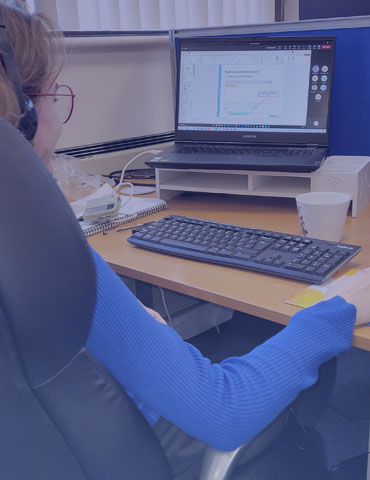
Optimized Network Performance
Hydraulic models allow water companies to simulate and analyse the performance of their water distribution networks. By understanding how the system behaves under different conditions, companies can optimize operations, ensuring efficient water delivery and pressure management.

Improved Planning and Design
Models assist in planning and designing new infrastructure or modifications to existing ones. Companies can assess the impact of changes before implementation, minimizing the risk of unexpected issues and ensuring that the network can accommodate future growth or modifications.
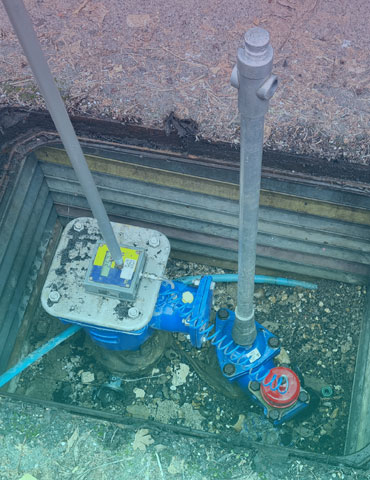
Leakage Detection and Management
Hydraulic models help in identifying potential areas of leakage within the network. By analysing pressure variations and flow rates, water companies can quickly detect and address leaks, reducing water loss and improving overall system efficiency.
At HydroCo, Network Modelling has been the cornerstone of our services since our inception. Our seasoned engineers are specialists in hydraulic modelling, boasting a proven track record of delivering innovative solutions tailored to meet our clients’ needs.
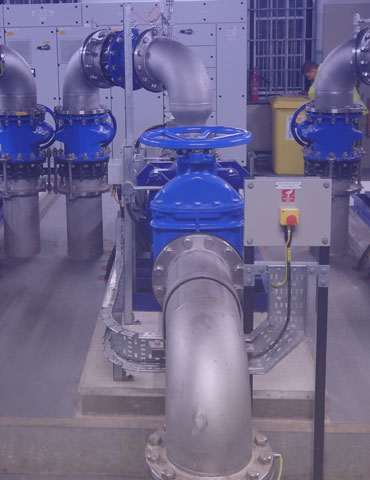
Resource Allocation
Efficient water resource management is critical for sustainability. Hydraulic models aid in determining optimal resource allocation, ensuring that water is distributed appropriately to meet demand while minimizing waste.
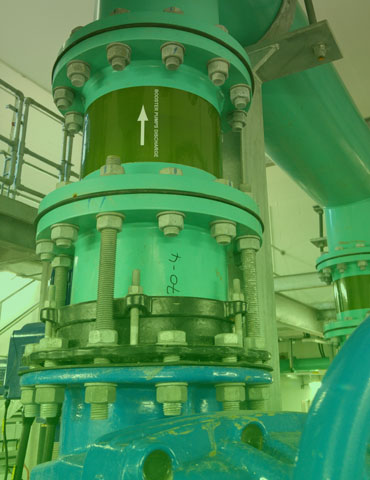
Resilience Planning
Water companies can use hydraulic models to assess the resilience of their networks to various challenges, such as extreme weather events or infrastructure failures. This allows for better preparedness and the development of strategies to maintain water supply during adverse conditions.
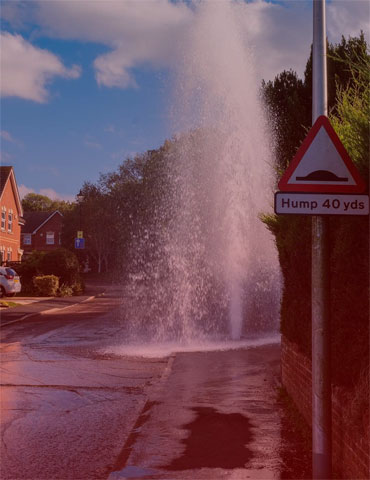
Regulatory Compliance
Meeting regulatory standards is essential for water companies. Hydraulic models help in demonstrating compliance with regulatory requirements by providing a thorough understanding of the network’s performance and the measures taken to ensure water quality and delivery.
A network model is a comprehensive mathematical and geographical computer representation that depicts a specific area within a water pipe network. This model has the capability to simulate the hydraulic performance of a system, providing crucial data such as flow, pressure, and other hydraulic parameters for any given point within the model. Engineers leverage these models to gain insights into the performance of existing pipework and to assess the potential impact of alterations made to the network by the water company.
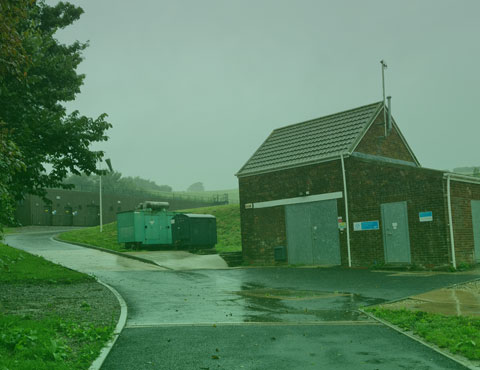
Operational Decision Support
Real-time data from hydraulic models aids in day-to-day decision-making. Water companies can respond more effectively to changes in demand, system failures, or other operational challenges, ensuring continuous and reliable water supply.

Cost Savings
By proactively identifying and addressing issues through hydraulic modelling, water companies can realize cost savings. This includes reducing water losses, optimizing infrastructure investments, and improving overall operational efficiency.
Typically, a model encompasses the interconnected pipework linking water treatment facilities, storage reservoirs, pumping stations, extending all the way to customer connections on each street. Water companies utilize these models not only for day-to-day network management but also for addressing broader aspects such as growth management, resilience, resource allocation, leakage mitigation, and various other considerations.
 hydroco.co.uk