
To understand the hydraulic performance and efficiency of a water network, our experienced engineers aim to capture of the most accurate data using state-of-the-art pressure and flow monitoring devices. In addition, we utilise the latest digital, cloud based technologies during logger installation and retrieval, enabling data validation at source, enhancing the accuracy of the data capture process.

Versatile Field Testing Resources
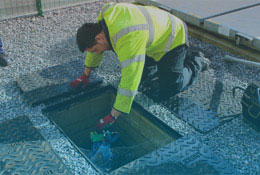
Experts in Electronic Data Capture
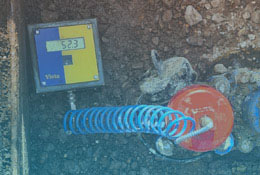
Premium High-Accuracy Loggers
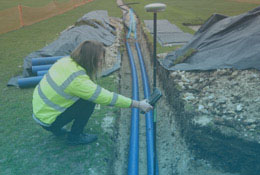
Health & Safety Focused Operatives
HydroCo have developed electronic field test data capture techniques to optimise the data collection process and promote improved H&S. All data entry in the field is performed via an app installed on a tablet or mobile phone, which automatically synchronises with a cloud-based server. This significantly reduces errors relating to poor handwriting, or data entry errors caused when transferring data from paper sheets. The cloud-based approach automatically backs up the data as it is entered, minimising the risk of losing data through system failures, or damage to the electronic device. The app contains various checks on data entry, including the ability to scan a loggers serial number from a QR code sticker. The app will also check the entered logger serial ID against a list held on the cloud, to prevent duplicate logger serials be entered against multiple points. Navigation between points is provided by integrating the app with Google Maps, displaying the location of each logged point geospatially. Alternative logging points are also shown geospatial in the app, reducing the need to refer to local GIS. The cloud-based results are accessible remotely, allowing project managers to track field test progress ‘live’, and support lone man working practices.
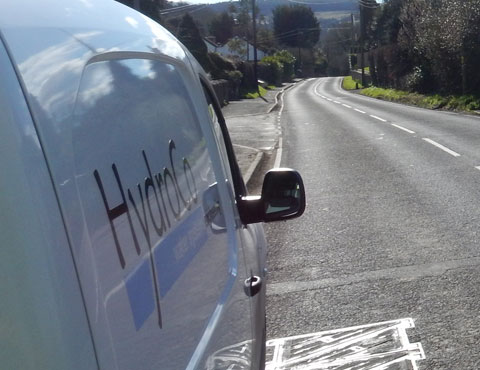
The app also forms part of our health and safety dynamic risk assessments at each logging location, ensuring our staff are assessing the variable risks at each logging location, considering variations in traffic, hydrant chamber position and promoting the effective use of mitigating PPE, such as signage and cones necessary for short stop operations. During the COVID pandemic, it was necessary for our staff to work using lone-person working practices. The app provided managers in the office the ability to track location and activity of our lone workers, to ensure they were safe and well.
Spot / gauge readings will be performed at installation and retrieval of any pressure logger. This reading will be compared to the reading of the logger to ensure that the logger is accurately recording the correct pressure or alert the field test team of an issue.
HydroCo closely monitor and record logger failure rates during each field test. These can be caused by either a technical malfunction of the equipment, or the logger being removed unknowingly. Our current average failure rate is less than 2% per field test.

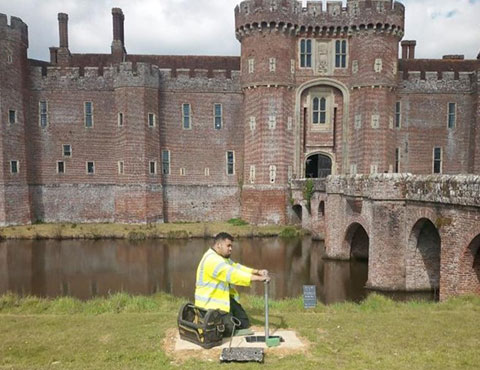
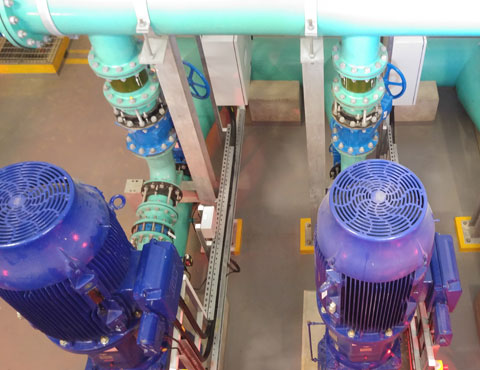
Following the successful retrieval of logging equipment from a field test, all data loggers are returned to the office, where they are downloaded, cleaned and checked before returning them to our stores. The downloaded logger data is then subject to a series of data validation checks, checking installed date and time data collated from the app against each logger file, as well as gauge readings, spot readings and retrieval date and time. This quality approach ensures the correct logger data file is matched to its associated location and validates the data to identify any logger errors, such as drifting, logger clock speed, or damage to the transducer caused by hydraulic or temperature anomalies. As a final data validation, logger offsets are check on the timesteps prior to and directly after installation / retrieval of the logger, to account for logger hysteresis caused by temperature change in the electronics.
We also perform end to end flow testing (using meter integrator readings) at all site and district meter locations where an integrator value is available, to verify flow data.
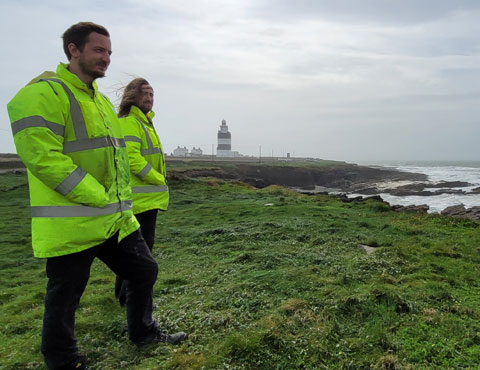
All HydroCo staff used during field tests will have received and hold current New Roads and Street Works Act 1991 qualifications and Energy & Utility Skills Register (EUSR) qualifications.
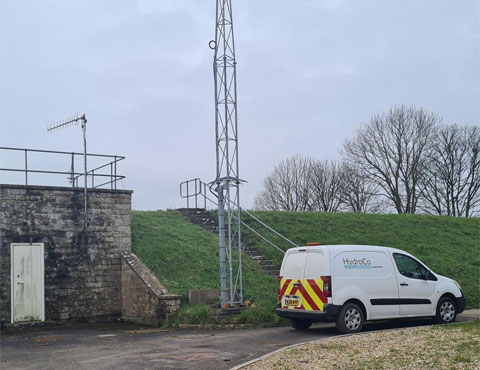
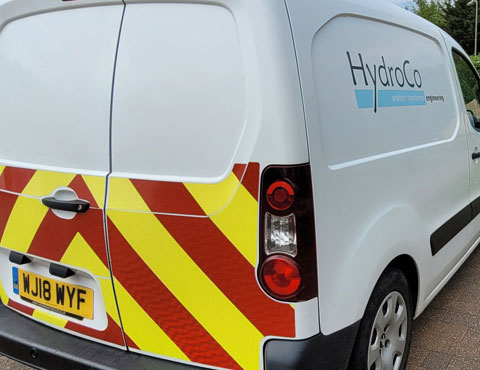
All vehicles used during field testing activities are sign written, with high visibility chevrons and flashing amber lights to reduce the risk to staff during field testing activities.
Over the previous 5 years, HydroCo have delivered field tests across 28 model areas, totalling 9,880 hydrant installations. Our experienced engineers have amassed a wealth of knowledge and developed methodologies which ensure the data collected is of the highest quality and can be used to calibrate network models with confidence.
 hydroco.co.uk