
In today’s data-centric landscape, the emphasis on data quantity often overshadows the critical aspect of data quality. Achieving precise calibration for a Network Model is only possible when the data utilised in its development is of the utmost quality. Our meticulous verification techniques during the data collection phase of any project ensure swift identification and removal of erroneous data from the engineering process.
We maintain an extensive inventory of flow and pressure monitoring devices, complemented by a range of field services, including GPS surveys and equipment hire. Explore our services page for detailed information on our comprehensive offerings in data collection, surveying, and field services.

Model Validation
Flow and pressure measurements provide real-world data that can be compared to the predictions of the network model. By validating the model against actual conditions, engineers can ensure the accuracy and reliability of the model.
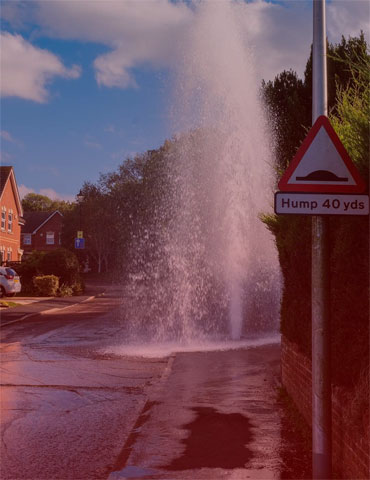
Accuracy Improvement
Field measurements help identify discrepancies between the model predictions and the actual performance of the water network. This information is used to adjust the model parameters, improving its accuracy and ensuring that it reflects the true behaviour of the system.
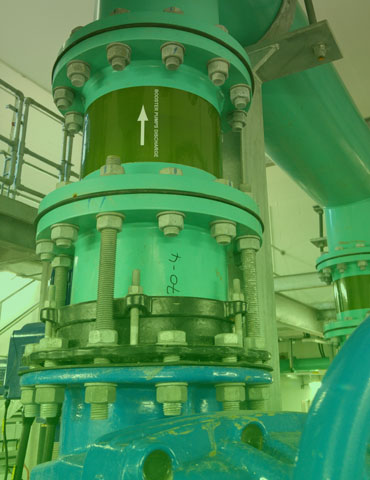
Identifying Anomalies and Errors
Measuring flow and pressure helps in identifying anomalies or errors in the model. Discrepancies between predicted and observed data can highlight issues such as incorrect pipe diameters, inaccurate demand estimates, or other inaccuracies in the model input.
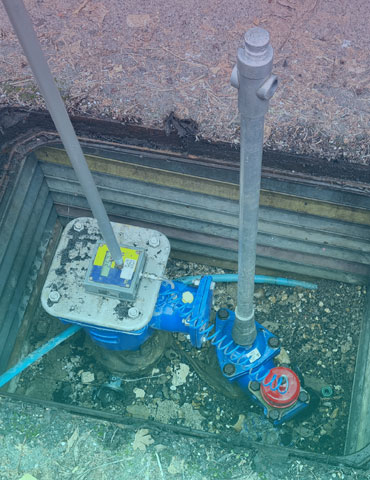
Optimising System Performance
Calibration enables engineers to fine-tune the model to match the actual hydraulic behaviour of the network. This optimization process ensures that the model accurately represents how the system responds to changes in demand, operational conditions, or infrastructure modifications.
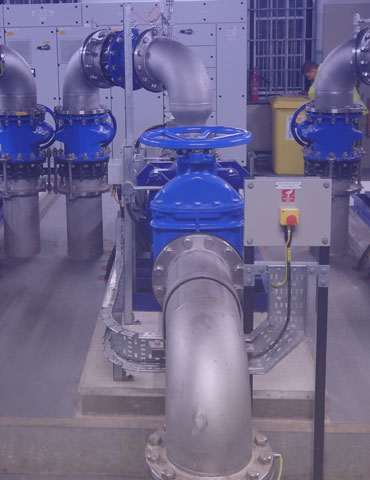
Leakage Detection
Abnormalities in flow and pressure readings can indicate potential leaks within the water network. Calibrating the model with actual measurements helps in identifying and locating leaks, enabling timely intervention to minimise water loss and improve network efficiency.
Understanding System Dynamics
Flow and pressure measurements provide insights into the dynamic behaviour of the water network. This understanding is essential for predicting how the system responds to different operational scenarios and planning for future changes or expansions.
Enhancing Reliability and Resilience
Calibration ensures that the model accurately represents the hydraulic conditions of the network under various circumstances. This knowledge is valuable for enhancing the reliability and resilience of the water distribution system, especially in the face of unforeseen events or emergencies.

Supporting Decision-Making
Accurate flow and pressure data support informed decision-making by providing a realistic representation of the network’s performance. This is crucial for water utility managers, engineers, and planners in making effective choices related to infrastructure investments, maintenance, and system improvements.
 hydroco.co.uk