
Fire hydrants are multi faceted assets in your water network, allowing water to be abstracted from the system for various means. Network models offer the ability to assess achievable flow rates from fire hydrants in the context of the proposed application, from the minimum flow rate for the provisional of fire fighting, to the maximum flow threshold in order to maintain customer levels of service while flushing. It is also possible to utilise batch simulation techniques to measure the performance across a whole district meter area, or model area.
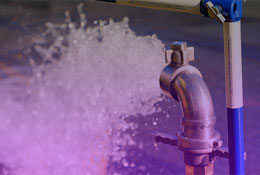
Flushing
Cleaning your pipes by artificially increasing the flow & velocity in the network to remove particulates and prevent customer complaints from water quality.
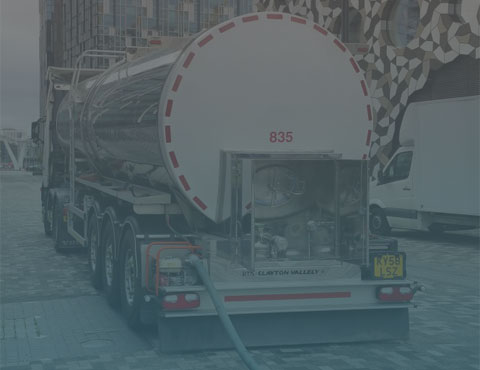
Incident Response, Filling Tankers or Tanker Injection
Fire hydrants provide a means of filling tankers to enable them to resupply other areas of your network, or a point for tanker injection, minimising the number of customers off supply when dealing with a planned or unplanned mains closure.
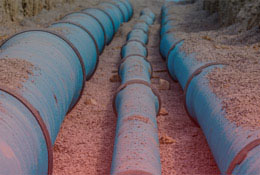
Temporary Overland Supply
A short-term solution of delivering water across a point of failure, typically achieved by linking two hydrants via an overland pipe. This may be necessary in emergency situations where a regular water supply system is unavailable or disrupted.
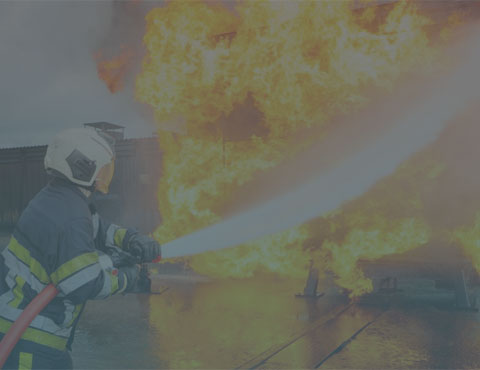
Fire Fighting
Whilst there is no legal obligation for water companies to provide a minimum flow rate for the purpose of fire fighting, there are guidelines which can be adopted when designing new mains.
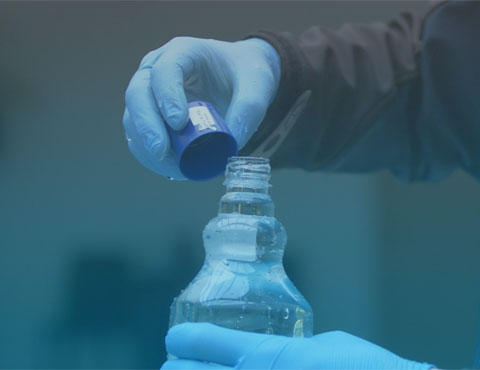
Water Sampling
Hydrants can be used for water sampling purposes, allowing authorities to test water quality at specific points in the distribution system.
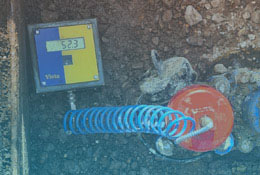
Pressure Monitoring
Logging network pressures for network validation or model calibration.
Licenced Abstraction
They can be used as temporary supplies to building sites during construction or demolition phases, offer a means of filling municipal vehicles, such as road sweepers, or used to supply large public events.
 hydroco.co.uk