Network models offer a cost effective means of measuring asset performance under both existing and future conditions, helping steer your investment strategy. Modelling can provide a holistic approach to asset management, maximising the benefits, whilst minimising the risks.
Asset management using clean water hydraulic models involves leveraging advanced modelling techniques to optimise the planning, operation, and maintenance of water distribution systems. Here’s how hydraulic models contribute to effective asset management in the context of clean water systems.

Infrastructure Optimization
Hydraulic models help assess the performance of water distribution networks, identifying areas for improvement and optimizing the placement and sizing of assets such as pipes, pumps, and valves. This optimization enhances the overall efficiency of the water supply system.
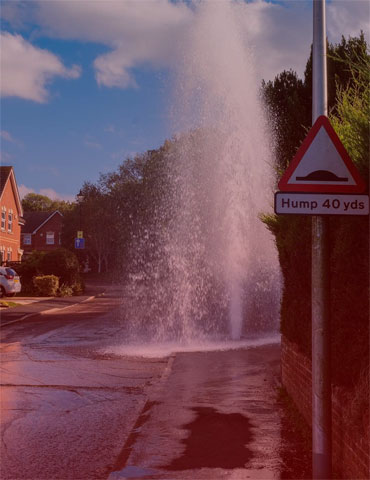
Risk Assessment
By simulating various scenarios, hydraulic models assist in evaluating and mitigating potential risks, such as water quality issues, system failures, or inadequate pressure. This proactive approach allows for the identification of vulnerabilities and the implementation of preventive measures.
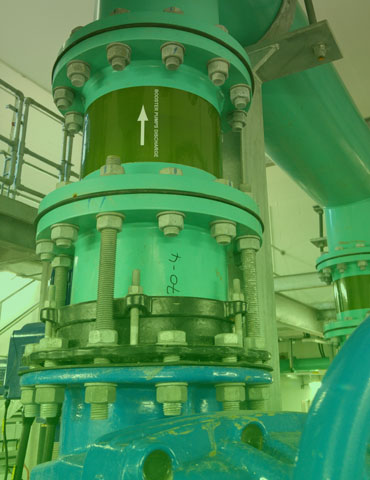
Life Cycle Cost Analysis
Life Cycle Cost Analysis: Hydraulic models support decision-making by providing insights into the long-term costs associated with different infrastructure choices. This includes evaluating the cost-effectiveness of asset rehabilitation, replacement, or expansion strategies over the life cycle of the water system.
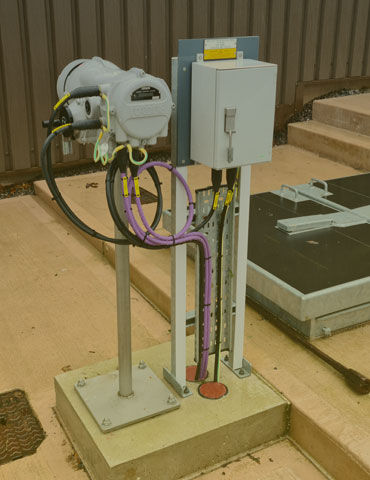
Performance Monitoring
Continuous monitoring and assessment of system performance are crucial for effective asset management. Hydraulic models enable real-time analysis, helping water utilities detect anomalies, optimize operating conditions, and respond promptly to any issues that may arise.
Predictive Maintenance
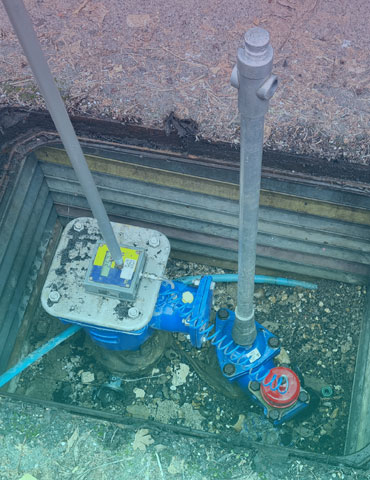
By integrating real-time data with predictive modelling, asset managers can anticipate potential equipment failures and schedule maintenance activities more efficiently. This proactive approach minimizes downtime, reduces emergency repairs, and extends the life of assets.
Regulatory Compliance
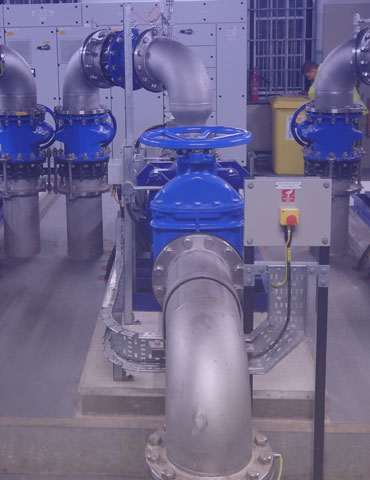
Hydraulic models assist water utilities in meeting regulatory requirements for water quality, pressure, and distribution. Compliance with standards is crucial for ensuring the safety and reliability of the water supply, and models help optimize infrastructure to meet these standards.
Resource Efficiency
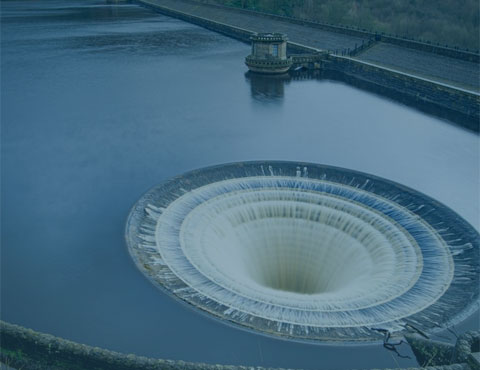
Optimal asset management involves minimizing energy consumption, reducing water losses, and promoting sustainable practices. Hydraulic models enable utilities to identify opportunities for resource efficiency, contributing to environmental sustainability and cost savings.

Resilience Planning:
Hydraulic models play a key role in assessing the resilience of water distribution systems to various challenges, including climate change, extreme weather events, and population growth. This information supports the development of robust strategies to enhance system resilience.
 hydroco.co.uk