Air Valve Assessments

Background

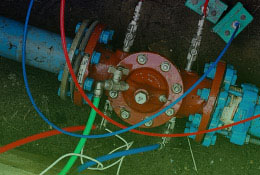
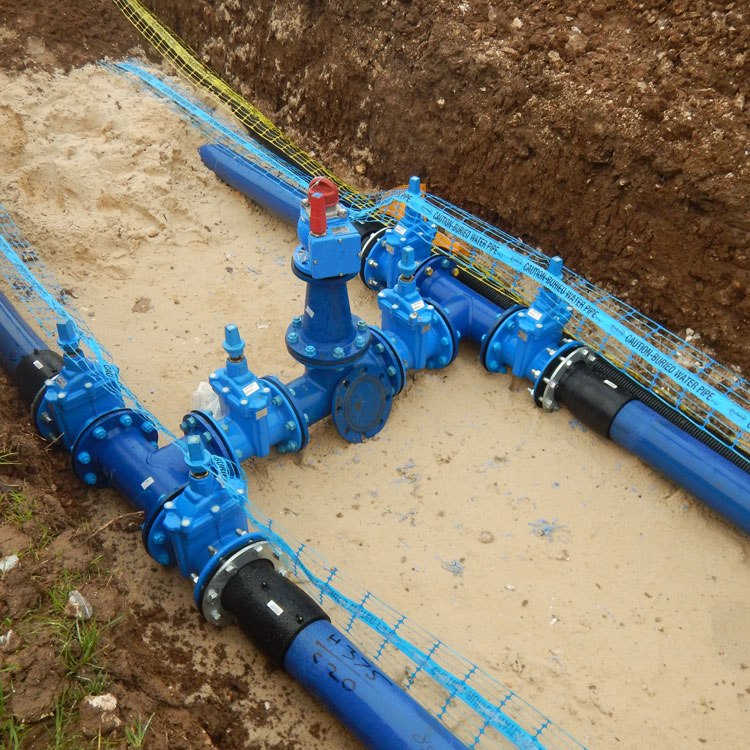
Air valves, though frequently overlooked, are critical assets in safeguarding water networks from significant damage and operational inefficiencies. They are essential not only for new mains commissioning but also for managing air during and after burst events, releasing air generated by pump cavitation, and providing crucial protection against negative surge pressures. The absence or malfunction of these vital components can lead to severe consequences for the network.

Specifically, trapped air can act as a throttle, impeding flow and reducing efficiency; the oxygen within it can accelerate pipe corrosion; and it can cause meters and control valves to malfunction, leading to inaccurate readings and operational failures. Furthermore, the build-up of pressure from trapped air can result in damaging transient pressures (air hammer), while vacuum conditions can cause catastrophic pipe failures.

Critical air valve protection

Trapped air risks identified
GIS and LiDAR integration
Optimised valve placement recommendations

Our Approach

Assessing and optimizing air valve networks involves a systematic process to identify critical areas and ensure optimal valve placement and type.

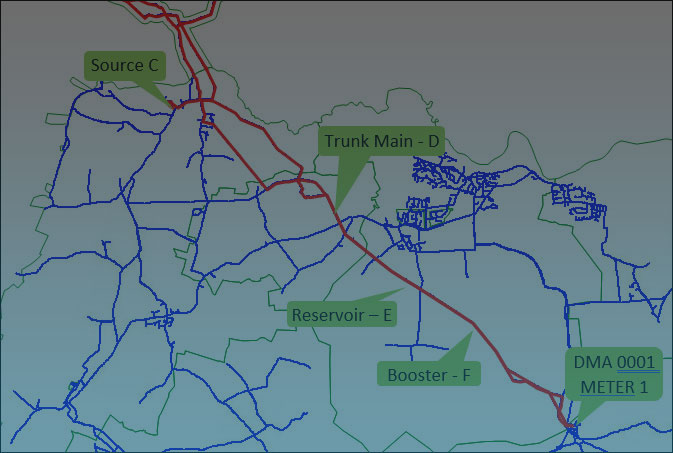
Firstly, we categorize DMAs (District Metered Areas) and trunk mains by their risk factor (high, medium, or low). For instance, a pumped trunk main inherently presents a higher risk profile than a gravity main due to increased potential for surge issues.

Given that air valve locations are typically not included in the model, we begin by importing existing valve locations into the network from GIS data. To ensure the accuracy of our analysis, it’s crucial that network elevations are correct. We verify nodal elevations using recent LiDAR data. For long stretches of main that require a more granular understanding of high and low spots, we utilise Ruby script and inference tools to subdivide these mains into shorter sections, updating their elevations accordingly.

Finally, we leverage hydraulic models to assess nodal elevations in comparison to existing air valve placements. This allows us to determine if valves are optimally located at critical points such as high spots, low spots, and pump outlets. We also verify that the correct valve type has been selected for each specific application. Where air valves are missing, we provide recommendations for new locations, detailing the necessity for their installation and specifying the appropriate valve type to be used.

If you would like to learn more about how HydroCo can support you with pressure management assessments, please contact us at innovation@hydroco.co.uk or call 023 92 450 007.
Pressure Management Studies

Background

The water industry is facing increasing pressure to reduce per capita consumption and leakage levels. This means we can’t just focus on optimising new systems; we also need to get the most out of existing assets. Pressure management is key here, helping to drive down leakage, minimise bursts, and create smaller, pressure-monitored zones for better overall reporting and control. This proactive approach not only conserves valuable water resources but also enhances the longevity and efficiency of the entire network.

Pressure optimisation reduces leakage

Hydraulic modelling guides strategy

Control options maximise savings

Enhanced resilience and efficiency

Our Approach

Our process begins with using hydraulic models to identify potential savings. We first verify these models against real-world data, including pressure, flow, and consumption, ensuring they accurately reflect current operations. This model validation establishes a precise baseline for detailed analysis.

Based on each water company’s specific minimum pressure requirements (for customer service and firefighting), we optimise zonal pressures. For existing systems, this may involve adjusting current pressure regulating valves (PRVs) using strategies like fixed-outlet, time-modulated, or flow-modulated control. If new control is needed, our hydraulic modelling determines the optimal location and sizing for new assets such as PRVs, pressure sustaining valves (PSVs), or variable speed pumps.

We then assess various control options to maximise savings and performance. A key step is a thorough CAPEX and OPEX assessment for each proposed scheme, evaluating projected water and energy savings against investment costs to demonstrate a clear Return on Investment (ROI).

Beyond financial returns, optimising pressure significantly reduces bursts, leading to lower repair and maintenance costs, fewer customer disruptions, and extended asset life. A “calmer” network also reduces new leaks and improves system resilience, offering environmental benefits through water and energy conservation.

If you would like to learn more about how HydroCo can support you with pressure management assessments, please contact us at innovation@hydroco.co.uk or call 023 92 450 007.
Large-Scale Strategic Asset Outages

Background

HydroCo has recently completed a series of hydraulic modelling studies for a client, focusing on the isolation of key assets across their water supply network, including pumps, reservoirs, and water treatment works. These studies were undertaken to support the client’s strategic planning, identify critical reinforcement needs, and inform emergency response planning in the event of mechanical failures or power outages.

Strategic Asset Outage Modelling

Critical Infrastructure Vulnerabilities Identified

Mitigation Strategies Developed

Network Resilience Prioritised

Our Approach

The modelling was carried out using InfoWorks WS Pro and incorporated a range of the client’s hydraulic models. In several cases, it was necessary to combine multiple models to fully capture the system-wide impacts of specific outages. Each scenario was assessed under two demand conditions:

  • Average demand, reflecting recent telemetry and operational data
  • Peak demand, simulating maximum usage to test system performance under stress

Simulations were run over extended periods to evaluate the dynamic impact of outages, including reservoir depletion and customer supply interruptions over time.

Based on the modelling results, HydroCo developed a series of mitigation strategies. These included short-term operational adjustments to extend reservoir service duration, as well as longer-term strategic options involving inter-reservoir transfers to maintain supply while affected sites were brought back online.

In some instances, the modelling identified scenarios where no feasible mitigation was possible—highlighting key vulnerabilities within the network. These findings provided the client with critical insights into system limitations and informed the prioritisation of infrastructure reinforcements to enhance network resilience.

If you would like to learn more about how HydroCo can support you with asset outage assessments, please contact us at innovation@hydroco.co.uk or call 023 92 450 007.

Age of Water & Flushing Assessments

Background

Understanding the age of water within a distribution network is crucial for maintaining water quality and ensuring safe consumption. The age of water refers to the time taken for treated water to travel from source to tap. Prolonged water age can lead to various issues, including taste and odour concerns, as well as potential degradation in water quality.

Water Quality Scientists play a vital role in monitoring and managing water quality across the network. They assess key parameters, investigate consumer complaints related to taste and odour, and recommend corrective measures such as flushing assessments to maintain water safety.

Age of Water Simulations

Hydrant Flushing Analysis

Identifying Network Configuration Issues

Integrated Approach to reduce WQ Risk

Our Approach

Hydraulic models provide valuable insights into the age of water within the network, calculating travel time based on typical demand conditions. To determine the age of water accurately, simulations must be configured to run over an extended timeframe with high computational accuracy and small increments in water quality timesteps. Model integrity is critical in this process, requiring careful consideration of demand allocation, reservoir pipework configurations, and dynamic model controls to ensure precise results.

When Age of Water data is combined with hydrant flushing simulation analysis, it becomes a powerful tool for identifying deadlegs, optimising hydrant flushing flow rates to protect local distribution pressures, and calculating flushing durations to develop a comprehensive flushing programme.

Assessments are conducted on a District Metered Area (DMA) basis, identifying problem mains where hydrants do not exist, highlighting issues at boundary valves that may be resolved through rezoning, and flagging concerns with push-pull reservoir systems where customer demands are insufficient relative to the storage tank volumes that serve them.

By integrating these two simulation techniques, water companies gain a valuable dataset that enhances asset management, reduces water quality incidents, and improves overall system understanding.

If you would like to learn more about how HydroCo can support you with age of water & flushing assessments, please contact us at innovation@hydroco.co.uk or call 023 92 450 007.
Ensuring Accuracy and Consistency in Hydraulic Network Modelling

Background

Hydraulic network models are critical for effective water management, helping water companies optimise operations, reduce leakage, and improve service reliability. To ensure consistency and accuracy, most water companies implement Model Build Specifications—detailed technical documents that outline the requirements, design, and implementation of these models.

The Challenge

Scottish Water recognised the need for independent auditing of their hydraulic models to maintain high standards across their model build and maintenance projects. They required a partner with deep industry expertise to identify potential issues, ensure compliance with specifications, and drive continuous improvement in model accuracy.

Compliance

Application of SQL Tools

Technical Decision Validation

Delivering Excellence

Our Approach

HydroCo was commissioned by Scottish Water to provide independent auditing services, leveraging our extensive experience in hydraulic modelling. Scottish Water has developed a robust auditing process that provides the project team with valuable feedback and tracks the resolution of any key issues. Each audit comprises the following key elements:

Comprehensive Base Model Compliance Checks – Identifying non-conformities, from missing Asset IDs, data flags and pipe asset data, to verifying whether the model can simulate dynamic operation through its control systems.

Validation of Engineering Decision Making – A thorough review of each documented calibration action to assess whether the most appropriate solution has been applied, while also identifying patterns and trends across each hydraulic system.

Innovative Assessment Techniques – Evaluating every stage of the model build process using a series of Stored Query Language (SQLs) routines which identify non-conformities using a repeatable quantifiable process.

Best Practice Implementation – Drawing from our work with multiple water companies within and outside the UK to align with industry-leading standards.

We challenge modellers to critically assess their calibration actions, ensuring that solutions are not just functional but the best available. By fostering a collaborative environment, we empower teams to develop more robust, efficient, and future-proof models that drive operational success.

With growing network complexity and advancements in technology, the need for optimisation and advanced control strategies has never been greater. External expertise plays a crucial role in bridging the gap between traditional modelling practices and cutting-edge solutions.

HydroCo remains committed to supporting water companies in delivering accurate, consistent, and innovative hydraulic models.

If you would like to learn more about how HydroCo can support you with auditing, please contact us at innovation@hydroco.co.uk or call 023 92 450 007.
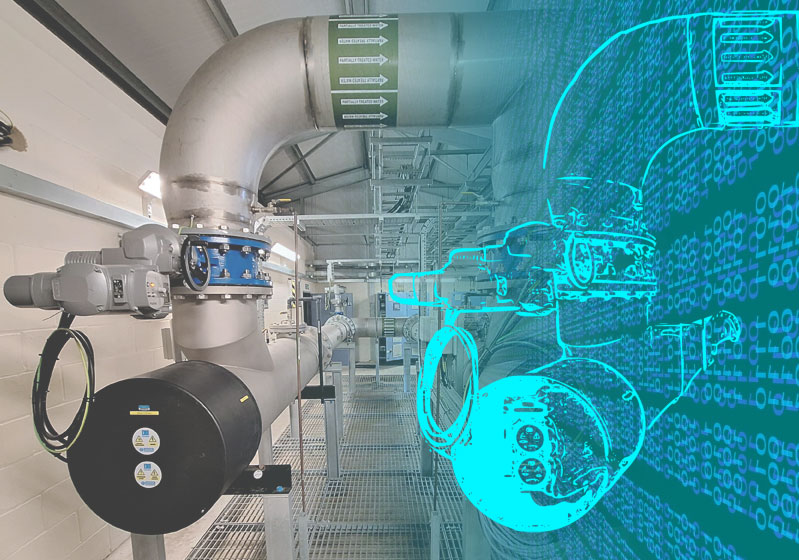
A Water Company’s Journey Towards a Digital Twin

Harnessing the Power of Data for Smarter Water Management

In today’s rapidly evolving technological landscape, the concept of a digital twin is gaining significant traction across various industries. A digital twin is a virtual replica of a physical asset or system, allowing for real-time monitoring, analysis, and optimisation. For water companies, the potential benefits of a digital twin are immense, from improving operational efficiency to enhancing customer satisfaction.

The Benefits of a Digital Twin for Water Companies

  • Enhanced Operational Efficiency: A digital twin can provide valuable insights into water distribution networks, enabling companies to identify leaks, optimize water pressure, and minimize leakage. This can lead to significant cost savings and improved resource management.
  • Improved Asset Management: By creating digital twins of critical infrastructure, such as water treatment plants and pumping stations, water companies can proactively monitor equipment health, predict failures, and schedule maintenance more effectively.
  • Enhanced Customer Service: A digital twin can empower water companies to respond more quickly to customer inquiries and complaints. By having real-time data on water quality and pressure, companies can provide accurate information and address issues promptly.
  • Improved Decision Making: A digital twin can support data-driven decision-making by providing valuable insights into complex water systems. Companies can use this information to develop more effective strategies for water conservation, demand management, and infrastructure planning.

Building a Digital Twin: Key Considerations

Creating a digital twin requires a comprehensive approach that involves several key steps:

1. Data Collection and Integration: Gathering and integrating data from various sources, such as sensors, SCADA systems, and historical records, is essential for building a comprehensive digital twin.

2. Modeling and Simulation: Developing accurate models of water infrastructure, including pipes, reservoirs, and treatment plants, allows for simulating different scenarios and evaluating potential outcomes.

3. Visualization and Analytics: Visualizing data and using advanced analytics techniques can help identify patterns, anomalies, and trends within the water system.

4. Integration with Existing Systems: Ensuring seamless integration of the digital twin with existing operational systems and workflows is crucial for maximizing its benefits.

A Case Study: Portsmouth Water’s Digital Twin Initiative

Producing a digital twin of Portsmouth Water’s water supply and distribution system is a significant project which HydroCo are supporting. By rebuilding their entire Hydraulic Modelling coverage to a specifically designed specification and integrating real-time telemetry data, and advanced Model Maintenance they on the path to a robust and future proof digital twin.

HydroCo’s involvement in this project is a strong indication of their expertise in the field of water infrastructure and their commitment to supporting sustainable water management practices. By providing technical support and expertise, HydroCo can help to ensure that the digital twin is built to the highest standards and delivers the maximum benefits to Portsmouth Water.

Conclusion

A digital twin offers a powerful tool for water companies to enhance their operations, improve customer service, and drive sustainability. By harnessing the power of data and technology, water companies can create more resilient, efficient, and sustainable water systems for generations to come.

Reducing Supply Interruption Minutes – Are you measuring yours correctly?

The water industry regulator Ofwat, challenged the industry to reduce the average number of supply interruption minutes per customer to just 3 minutes per annum at the start of the current AMP.  The consequence of this measure has seen water companies investing in enhanced pressure monitoring, network resilience schemes and improved processes for managing supply interruptions.

Ofwat have clearly laid out their guidelines for what constitutes a reportable customer in these instances; but are your post-event reporting processes aligning to these guidelines?  It only takes 1 large burst event to exceed the 3-minute threshold, leading to costly ODI penalties for the water company.

3-Minute Threshold

InfoWorks WS PRO

ODI Penalty Reduction

Quantitative, repeatable process

Hydraulic network modelling is the key to accurately reporting the average supply interruption minutes for each event, offering a quantitative, repeatable process that provides an evidence based, auditable methodology. 

HydroCo have developed a bespoke tool to measure reportable supply interruption minutes, which has proven to significantly reduce supply interruption minutes over more traditional methodologies, resulting in more accurate reporting and reduced ODI penalties.

If you would like to learn more about how HydroCo can help support you with Supply Interruption reporting, contact HydroCo today. info@hydroco.co.uk

Pump Efficiency Analysis

The water industry faces an unprecedented challenge: achieving net zero carbon emissions by 2030. To reach this ambitious goal, water companies must embrace innovative solutions for cleaner, more efficient operations of their networks. At HydroCo, we are proud to be part of this critical transformation.

In 2023, we were commissioned to evaluate the efficiency of borehole pumps across a leading water company’s treatment works. Our mission was to identify potential energy savings, recommend optimal pump replacements, and inform future infrastructure decisions.

We identified two sites experiencing known headloss issues. Leveraging existing models and schematics, we built detailed digital replicas capturing every key asset. By integrating modelling with real-time telemetry data, we pinpointed potential headloss contributors for further investigations on site visits.

Net-Zero

Optimised Pump Design

Pump Efficiency

During these visits, we conducted end-to-end testing and pressure logging to validate the client’s telemetry data. This revealed discrepancies requiring correction for accurate future modelling. The pressure data also played a crucial role in calibrating our models, ensuring the utmost accuracy and pinpointing specific assets responsible for headloss.

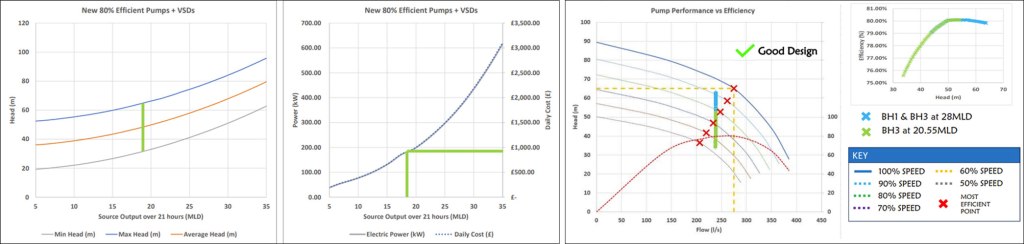
With the calibrated model, we analysed the borehole pumps’ operational efficiency, evaluating their current performance against historical data to determine minimum and maximum water levels; calculate lift variance and draw down. Combining these insights, we identified the ideal operating range for new pumps, ensuring they can handle any future scenario.

Finally, we meticulously modelled each potential pump option, assessing its performance, efficiency, and operational cost under all foreseeable conditions. By providing a comprehensive analysis of efficiency gains and cost implications, we empowered the client to make informed decisions about pump replacements, contributing to their net-zero journey.

HydroCo’s commitment to data-driven optimization helps water companies achieve significant progress towards their net-zero goals. By optimising pump efficiency, we contribute to reduced energy consumption, lower carbon emissions, and a more sustainable water supply for generations to come.

If you would like to learn more about how HydroCo can support you with pump efficiency, please contact us at innovation@hydroco.co.uk or call 023 92 450 007.

Mains & Pump Design


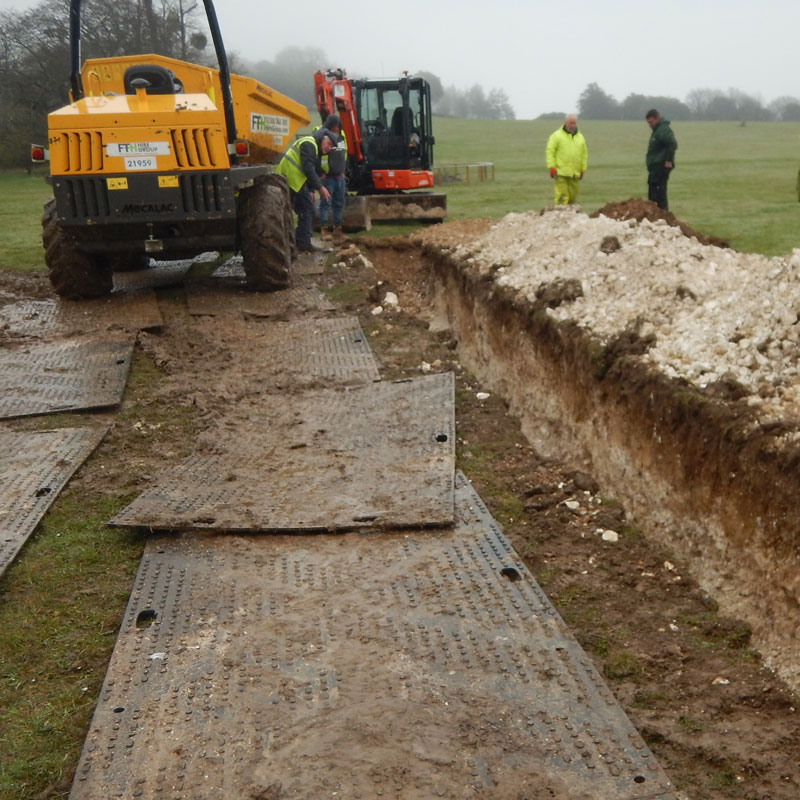
HydroCo is proud to collaborate with the renowned Goodwood Estate in West Sussex, contributing to the enhancement of their private water supply system. Situated amidst the picturesque landscape, Goodwood offers an array of recreational activities such as Horse Racing, Golf, Motorsport, flying, shooting, and wellness experiences to the public.

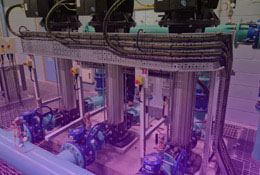
The estate’s water supply system is a pivotal piece of infrastructure , drawing water from various boreholes and supported by numerous water storage tanks. The extensive distribution network, some of which dates back to the Victorian era, required investment in order to service the modern needs of the estate. We are thrilled to be part of the journey to modernise and optimise this vital system for the Goodwood Estate.

Demand Assessment

Resilience and Redundancy

Hydraulic Design

Terrain and Topography

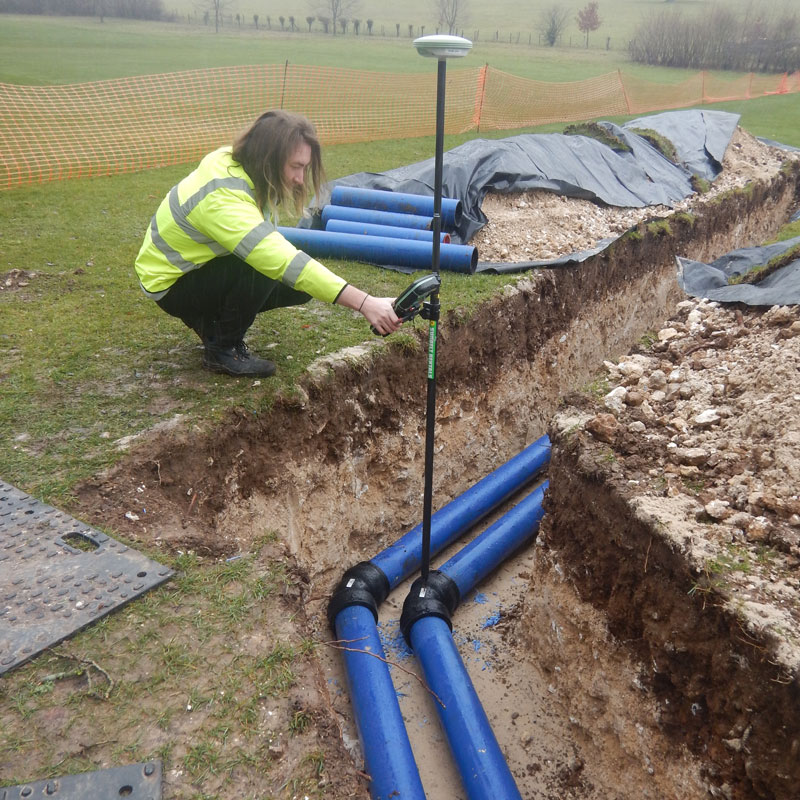
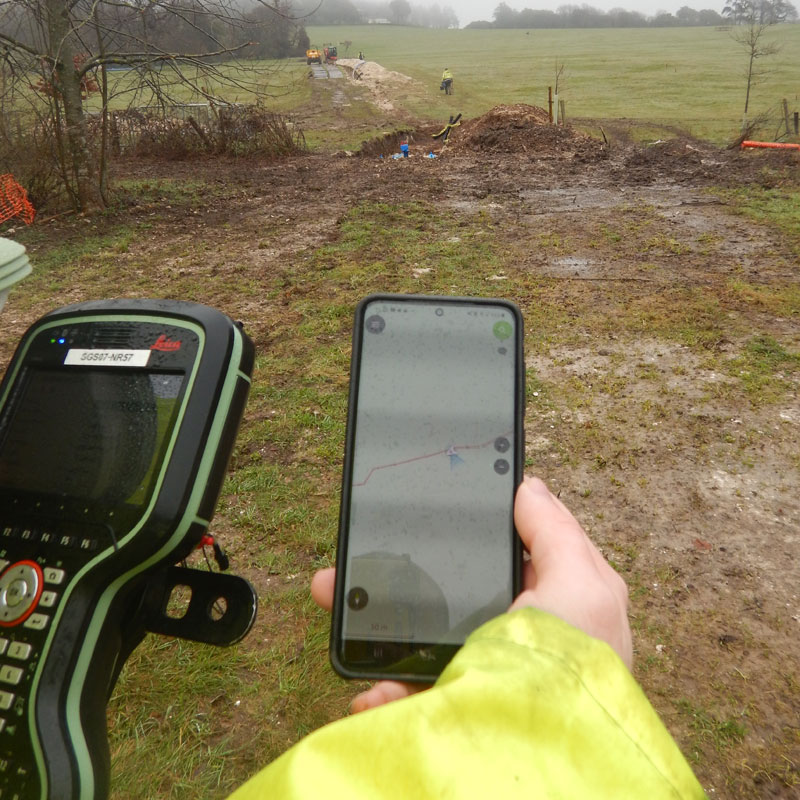
At HydroCo, our dedicated engineers are actively supporting Goodwood in ensuring a reliable water supply for all their stakeholders. We are involved in the design and implementation of new trunk mains, pumping stations, and advanced control systems. Additionally, our team conducts thorough surveys of the assets during construction to facilitate the development of a comprehensive Geographical Information System (GIS).

The primary goals of this collaborative project revolve around mains design with a strong emphasis on enhancing system resilience. Simultaneously, our pumping station designs are strategically crafted to boost energy efficiency and minimize transients. We are committed to delivering solutions that not only meet the immediate needs of Goodwood but also contribute to the long-term sustainability and effectiveness of their water supply infrastructure.

Pump Efficiency

GPS Levelling Surveys

Fire Flow Assessment

Operational Strategy

Throughout the project, we’ve remained steadfast in upholding the cherished values of the Goodwood Estate. Our approach has been to carefully balance the requirements of the wildlife and environment, preserve the rich history and archaeology, all while seamlessly aligning with the diverse events that define the Goodwood calendar.

Collaborating closely with key stakeholders responsible for events like the Qatar Goodwood Festival at the racecourse, prestigious golf tournaments held on the two championship courses, and thrilling motorsport events such as the Festival of Speed, we’ve ensured that our efforts harmonize with the Estate’s vibrant activities. This commitment to balance has been integral in successfully integrating water supply enhancements with the unique character and demands of the Goodwood Estate.

If you would like to learn more about how HydroCo can support you with mains and pump design, please contact us at innovation@hydroco.co.uk or call 023 92 450 007.


Real-Time Modelling using IW Live

Using InfoWorks Live Pro (IWLive Pro) HydroCo have developed a process to assess if a suite of models are fit for purpose.

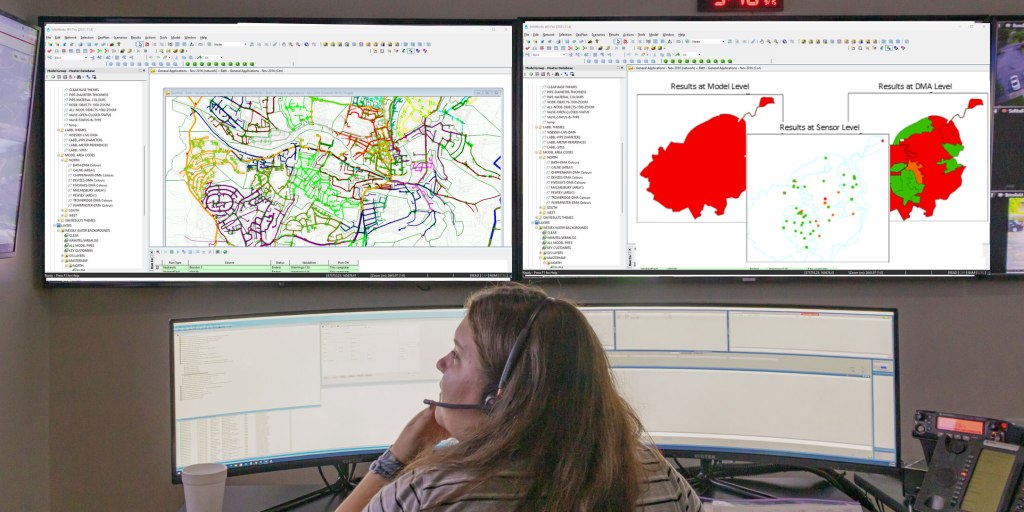
By linking the telemetry system to the model in IWLive Pro, real time comparison is possible between the model and telemetry. The software shows a visual representation of how well the model and telemetry data correlate or deviate from reality (e.g. due to network alterations or increased headlosses) using customisable Red, Amber and Green warning bands. Erroneous data can also be filtered out by IWLive Pro, ensuring only good data is considered.

Digital Twin

Real-Time Data

Model Maintenance Indictor

Demand Scaling

An SQL server (or other data lake sources) links the telemetry system to IWLive Pro enabling thousands of live data feeds to easily be allocated to the model (using SQLs and GIS).

Demand within the model can also be updated to reflect a variety of demand scenarios such as peak summer demand and average demands, by demand scaling or using Demand Watch. Modelled large consumers can also be dynamically linked to the telemetry to ensure the flow is modelled as recorded.

Linking Telemetry to Models

Validation Metrics

Data Quality and Consistency

Collaboration with Stakeholders

The warning outputs from IWLive Pro can be shown at model, DMA and sensor levels. Therefore this process can identify specific areas that require model maintenance, whether through desktop updates or field testing, and identifies regions within models that require rebuilding. This helps clients maintain their suite of models without the need for regular and expensive rebuilds.

If you would like to learn more about how HydroCo can support you on your real-time modelling and IWLive journey, please contact us at innovation@hydroco.co.uk or call 023 92 450 007.